
Research peptides serve as building blocks for a growing frontier in bioart and biomaterial design, and creative professionals can source them through specialized suppliers like Kylo Peptides and other verified vendors who serve institutional and educational buyers. For art schools, design programs, and interdisciplinary researchers exploring the intersection of biology and creativity, these short chains of amino acids open doors to living sculptures, biodegradable textiles, and responsive installations that blur the line between science and artistic expression.
The conversation around research peptides in creative contexts has shifted dramatically since 2024. What began as niche experimentation in a handful of biology labs has become a legitimate component of curricula across Canada’s higher education landscape, particularly in programs that embrace biodesign, sustainable materials research, and speculative futures. Artists working with peptides create works that grow, change, and decompose, challenging traditional notions of permanence in art while addressing urgent questions about environmental sustainability and our relationship with living systems.
Understanding what research peptides are matters before making any purchase. These molecules, typically 2 to 50 amino acids long, can self-assemble into structures, catalyze reactions, or mimic natural biological processes. Unlike complete proteins, peptides are smaller and more manageable for creative applications, from generating biodegradable pigments to forming scaffolds for cultured materials. Indigenous artists and designers from underrepresented communities have brought particularly compelling perspectives to this field, drawing parallels between peptide self-assembly and traditional knowledge systems that emphasize interconnection and cyclical processes.
Sourcing research peptides requires attention to legality, quality assurance, and ethical considerations. Canadian institutions purchasing these materials must navigate regulatory frameworks that govern biochemical research while ensuring their creative applications align with institutional review standards. The good news: legitimate suppliers maintain transparent documentation, third-party testing, and clear guidelines for educational use. This introduction equips creative professionals with the foundational knowledge to make informed decisions about integrating research peptides into their artistic practice responsibly.
The Intersection of Bioart and Research Peptides in Canadian Institutions

Bioart as Cultural Expression
Drawing on materials once considered the exclusive domain of scientists, a new generation of artists is bridging biology and creative expression to reframe the possibilities of contemporary art. Within the expanding field of bioart, Indigenous and minority artists are reclaiming the lab as a site of cultural narration, using mediums like research peptides to craft living installations and challenging colonial notions of knowledge and materiality. For example, several Cree and Métis artists have turned to recombinant peptides to embed oral histories into biodegradable sculptures, allowing the work to physically transform in response to its environment, a direct metaphor for cultural adaptation and resilience.
The intersection of biology and art invites viewers to question not only what art can be, but also whose stories are preserved and displayed. For artists drawing on ancestral knowledge, the use of biological substances such as peptides isn’t just novel, it’s a way to challenge exclusionary norms in both science and the art world. This parallels broader efforts to “make room for gender weirdos in Indigenous art,” as explored on Indigenous art platforms, where non-binary and Two-Spirit creators use living materials to resist erasure and assert cultural agency.
Peptide-based installations are also appearing in urban galleries. For instance, a recent Vancouver show featured bioactive canvases seeded with designer peptides that fluoresce in the presence of human touch. Elsewhere, Black and newcomer artists have utilized peptide-infused hydrogel to cultivate root systems spelling out lines from poetry in multiple languages, celebrating the convergence of biological and linguistic diversity. By reimagining what’s possible with “research peptides for sale,” these creators expand the boundaries of storytelling and material exploration, ensuring that new voices continue to shape Canadian art’s future.
Sustainable Design Innovation
Canadian design schools are increasingly looking beyond standard materials to address sustainability challenges. Peptides, which are short chains of amino acids, offer intriguing possibilities in this space. Researchers and students at institutions such as OCAD University and Emily Carr University are experimenting with these building blocks to create biodegradable plastics, “smart” fabrics that respond to light or moisture, and even pigment-generating microbes for natural textile dyeing. Instead of relying on petroleum-based synthetics, some design labs cultivate bacteria that produce peptide-based polymers, leading to new classes of eco-friendly materials that break down without harmful residues.
A handful of senior students in industrial design have collaborated with material scientists to prototype bio-fabrics for everyday objects, lampshades, bags, even wearable art. By harnessing peptides engineered specifically for strength or flexibility, these biomaterials can often outperform conventional options while drastically reducing environmental impact. Beyond performance, the process of designing with peptides also opens up creative questions about transparency, tactility, and the relationship between technology and craft.
This exploration isn’t purely technical; it’s about rethinking the designer’s responsibility and placing environmental stewardship at the center of curricula. The push toward biomaterial innovation has put “research peptides for sale” directly in the toolkit of a new generation eager to create sustainable alternatives for Canadian and global design.
Understanding Research Peptides: A Primer for Creative Professionals

Research peptides are short chains of amino acids linked together, serving as building blocks for proteins that drive nearly every biological process. In labs and creative research spaces, these peptides can be synthesized to mimic natural molecules, interact with biological systems, or serve as templates for new materials. Their versatility makes them valuable well beyond medical science, designers and artists are leveraging them for biofabrication, living installations, and experiments with interactive, protein-based materials.
- Peptides
- Strings of two or more amino acids connected by peptide bonds, often acting as signaling molecules or building blocks in living organisms.
- Amino acids
- Simple organic molecules that combine to form peptides and proteins; there are 20 standard amino acids central to life.
- Research-grade materials
- Substances produced and quality-tested specifically for experimental or laboratory use, not approved for medical or food applications.
- Collagen peptides
- Fragments of the larger collagen protein, prized for their mechanical strength and sometimes used to create flexible biomaterials or art pieces suggesting growth and repair.
- Bioactive compounds
- Chemicals that produce a biological response in living cells or systems, many peptides fall under this category due to their ability to signal, regulate, or construct tissues.
Most research peptides for sale are custom-synthesized and sold under strict requirements. They’re labeled ‘for research purposes only’ because they’re unregulated for direct use in humans or animals, have not undergone safety testing for consumption or therapeutic use, and can cause unforeseen harm if misused. This legal distinction is more than bureaucratic language; it emphasizes the difference between artistic, experimental, and medical contexts. Government advisories, such as Health Canada’s guidelines on Not for human consumption highlight the risks of treating research peptides as finished products rather than experimental substances.
For creative professionals, understanding these basic terms and limitations is essential for responsible use. The phrase ‘for research purposes only’ should be seen not as a hurdle, but as an invitation to innovate safely, working within well-defined boundaries that protect both the maker and broader public. Whether you’re drawn to biomaterial explorations or considering collaborative science-art projects, knowing these fundamentals ensures your practice stays ethical, safe, and open to genuine discovery.
Navigating the Legal and Ethical Landscape
Institutional Requirements and Ethics Boards
Canadian universities and colleges considering the purchase of research peptides must have formal protocols in place to ensure both safety and compliance with national regulations. First, all acquisitions should be routed through the institution’s research administration offices, which are responsible for verifying the intended use is legitimate and that all hazardous materials policies are followed. This often means completing a material acquisition request, outlining the specific research or creative project, storage plans, and disposal procedures that comply with both institutional and federal guidelines.
A critical requirement is oversight by an institutional research ethics board. Art and design projects that incorporate biological materials, such as peptides, are not exempt from oversight, even if the work is primarily artistic or exploratory. The application process requires documenting the sources and handling protocols for all materials, with special attention to the potential risks involved. As outlined in the Research ethics approval required by Health Canada, using chemicals, cultures, or peptides in any setting tied to human or animal interaction triggers the need for committee approval and ongoing oversight.
Staying updated on government guidance is also crucial. The Health Canada safety guidance strongly cautions against purchasing unauthorized peptides online and stresses the harm that can result without proper institutional protocols. Institutions must ensure any purchase and use of research peptides aligns with Health Canada’s standards to protect both participants and the creative research process.
Cultural Considerations for Indigenous and Minority-Led Projects
Working with research peptides in Indigenous and minority-led art projects means more than sourcing the right laboratory materials. It calls for a thoughtful examination of cultural histories, knowledge systems, and the ethical stewardship of biological materials. Artists who draw inspiration from community narratives or traditional ecological knowledge should engage with elders and cultural leaders throughout the project’s development. This dialogue ensures the respectful integration of bioart with cultural values, and helps prevent the appropriation or misrepresentation of sacred practices and motifs.
Cultural protocols around harvesting and representing biological matter often vary. For example, many Indigenous artists approach material selection based on longstanding permissions or taboos, extending these careful considerations to new technologies like research peptides. Artworks that link ancestral perspectives with modern biotechnology can become powerful catalysts for conversations about identity, sovereignty, and the future of cultural materials. Referencing initiatives such as art and reconciliation underscores the importance of centering community voices, recognizing that every project is an opportunity to promote healing and agency.
For educators and institutions, embedding culturally responsive frameworks is not an optional add-on, it is a necessary foundation. Consultation, transparency, and mutual respect build bridges between scientific innovation and vibrant, living cultural traditions, ensuring that research peptides serve creative expression in truly meaningful ways.
What to Look for When Sourcing Research Peptides
Sourcing research peptides for educational and artistic research isn’t just a purchasing decision, it’s a step that shapes both the quality of your outcomes and the broader conversations about trust and safety in innovative art. Start by seeking out suppliers who cater specifically to institutional or research clients. These vendors typically maintain stricter quality assurance practices, provide documentation such as certificates of analysis, and offer clear information about how their peptides are produced, stored, and shipped. Ignore flashy sales language or websites that prioritize retail over transparency. Instead, examine whether the supplier can substantiate the “research use only” label with third-party verification. This is critical for Canadian art and design schools, since repurposed or off-market chemicals not intended for creative research can pose compliance or safety risks.
Look for ISO certifications or Good Manufacturing Practices (GMP) compliance, which signal a supplier’s commitment to rigorous standards. While some smaller peptide manufacturers may not be GMP-certified, clear records of batch testing and traceability are essential. Always request a certificate of analysis for your batch; this certificate should confirm peptide purity (often 95 percent or higher for research-grade material), sequence validation, and absence of contaminants. Don’t hesitate to reach out directly, responsible suppliers are often willing to share anonymized test results, detail their quality control protocols, or guide you through documentation.
Since your goal may differ from traditional scientific research, explain your intended use upfront. Be forthright about art or design-focused projects, and clarify any non-standard requirements (for example, the need for larger quantities for an installation, or more colorful, dye-labeled peptides for visual effect). Ethical suppliers appreciate well-informed buyers and will avoid misleading claims or omissions that could put educational users at risk.
Check whether the supplier ships from within Canada or internationally. Domestic sources reduce import complexity and can help ensure compliance with Health Canada regulations. Review the supplier’s literature for up-to-date information about storage and handling. Because peptides are sensitive to temperature and light, request shipping with cold packs or temperature monitoring if your material will travel long distances.
Finally, look for educational outreach, collaborative partnerships, or case studies involving academic or creative use. Suppliers involved with university labs, maker spaces, or Canadian art-science initiatives are more likely to understand and support your responsibilities as an educator. Careful sourcing not only protects learners and institutional reputation, but also models best practices for the wider creative research community.
Real-World Applications in Canadian Art and Design Education
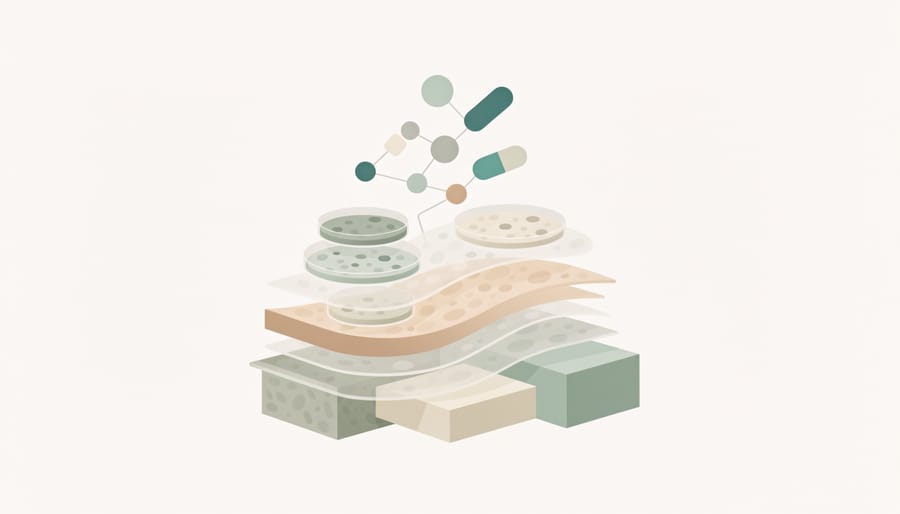
Canadian programs at the intersection of art, science, and innovation are integrating research peptides into hands-on projects that push the boundaries of creative practice. Across the country, art and design schools are finding ways to incorporate biological materials into coursework, labs, and public exhibitions, transforming what it means to craft, design, and express, especially as bioart and sustainable design gain visibility.
| Institution | Project Type | Educational Focus |
|---|---|---|
| Ontario College of Art & Design University (OCAD U) | Bioart Installations | Interdisciplinary studio labs with research peptides for sculptural works and public engagement |
| Emily Carr University of Art + Design | Sustainable Biomaterials Research | Workshops on peptide-based bioplastics and collaboration with local Indigenous artists |
| Université Laval | Science-Art Collaborative Projects | Graduate research bridging molecular biology and visual storytelling with peptide-based mediums |
| NSCAD University | Biosculpture Residency | Emerging artists exploring bioengineered materials for culturally responsive installations |
What makes these applications unique in the Canadian context is the focus on diverse perspectives and responsive pedagogy. At OCAD U, for instance, faculty are teaming up with chemistry departments to offer studio courses where students experiment with research peptides to create living sculpture and time-based installations. These works don’t just sit in a gallery, they evolve, sometimes changing colour or texture in front of an audience. It’s a way for students to inquire into the ethics and aesthetics of working with life itself.
Emily Carr’s Sustainable Biomaterials Lab sees a different kind of interdisciplinary overlap. By working with both synthetic biologists and local artists, including First Nations designers, the program seeks to develop biodegradable textiles and eco-friendly sculpture. Students learn to synthesize peptide-based bioplastics, but also to question who benefits from new materials and how cultural priorities can shape lab work.
At Université Laval, science-art collaborations have led to performance pieces using peptide-responsive materials, workshops often approached as co-creative learning spaces between graduate chemistry and visual arts students. These projects examine not only the visual effect of peptides, but also their metaphorical power to connect DNA, ancestry, and identity, particularly for artists from minority language or Indigenous backgrounds.
NSCAD’s biosculpture residencies welcome practitioners of all backgrounds to experiment with bioengineered materials. By offering mentorship and community partnerships, NSCAD ensures that minority and emerging voices are part of the bioart conversation. These residencies have resulted in installations that respond to local ecological issues or traditional knowledge, bringing new meaning to “research peptides for sale” as not just a transaction, but a catalyst for dialogue and inclusion in Canadian creative education.
Building Safe and Responsible Lab Practices

Adopting rigorous lab safety habits is vital for any art or design institution introducing research peptides, or any biological materials, into their creative spaces. Unlike traditional paint and clay, peptides require careful handling rooted in bioscience protocols rather than studio conventions. Before students or faculty access any research peptides, ensure the workspace is isolated from areas used for food, textiles, or open-air installations, minimizing cross-contamination risks.
Start with the essentials: invest in chemical-resistant gloves, goggles, and well-ventilated storage cabinets designated for peptide vials and buffers. Signage about safety procedures should be clear and visible at entry points and workstations. Use flame-proof, lockable refrigerators for storing peptides, as temperature fluctuations degrade materials and can lead to accidental exposures or failed experiments. Develop an inventory system that tracks origins, expiry dates, and specific usage notes for all peptide batches. This not only fulfills regulatory expectations but also protects researchers working on long-term projects.
Waste management is a critical point of responsibility. All pipette tips, vials, and containers that have contacted peptides need to be collected separately from regular garbage. Establish a protocol for neutralizing and disposing of these materials in line with local hazardous waste guidelines, working closely with campus facilities, as improper disposal can endanger both the environment and institutional reputation.
Student training goes beyond reading a manual. Offer hands-on workshops modeled after those provided in bioscience departments, with attention paid to the unique creativity-driven risks of art and design settings. Encourage students to document their own safety procedures when adapting biological materials for installations or prototypes. Direct your team to helpful resources about lab safety habits ensuring that best practices become ingrained no matter the nature of the project.
For Indigenous and culturally diverse student cohorts, consider protocols for safe, respectful use of biologically-derived materials that honor specific cultural contexts. Partner with community advisors where sensitive materials are involved. Ultimately, prioritizing lab safety ensures that this new era of art and design research remains an innovative, ethical, and inclusive space for everyone.
Resources for Emerging Artists and Educators
Canadian artists and educators exploring research peptides for sale will find a wealth of support across the country. Whether you’re just discovering the possibilities of bioart or already pursuing interdisciplinary biomaterial research, tapping into the right communities and learning opportunities is essential. Some of Canada’s most unique art programs now feature bioart labs and workshops, prioritizing diverse cultural voices alongside scientific rigor.
- SymbioticA Satellite (Toronto): Peer-led bioart collective offering residencies and interdisciplinary labs.
- OCAD University’s Material Art & Design program: Courses on biofabrication and biomaterials in art practice.
- Emily Carr University BioLab: Maker space for students to experiment with living and biologically derived materials.
- Indigenous Visual Culture program (OCAD U): Emphasizes Indigenous perspectives in new media and biological art forms.
- Canadian BioDesign Network: National forum linking researchers, artists, and students in sustainable biomaterial innovation.
- Banff Centre BioArt Workshops: Annual residencies and public programming for emerging and underrepresented creators.
- Canada Council for the Arts: Project grants supporting experimental and culturally engaged bioart projects.
- Montreal Bioart Community of Practice: Open network fostering collaboration between artists, scientists, and designers.
Many of these organizations offer mentorship, funding, and exhibition opportunities specifically for BIPOC and Indigenous artists, as well as educators committed to decolonizing science and design curricula. By joining forces with these networks, emerging creators can access critical training, share knowledge, and ensure their work in bioart and research-grade materials resonates within Canada’s evolving cultural landscape.
The introduction of research peptides into Canadian art and design education marks a turning point in how creative communities approach materials, sustainability, and culturally relevant storytelling. While the phrase “research peptides for sale” might once have belonged squarely to the scientific and commercial sectors, it now signals a set of new tools available for pushing the boundaries of what contemporary art and design can achieve. These biomolecular building blocks are enabling a new generation of artists, particularly those at the intersection of Indigenous, minority, and multidisciplinary practice, to create works that are living, responsive, and deeply connected to environmental and cultural narratives.
Responsible use remains paramount. Institutions and individual artists alike must prioritize not only regulatory and ethical compliance but also cultural sensitivity, especially when engaging with biological materials that intersect with tradition and community knowledge. This emerging field asks educational leaders to blend scientific stewardship with creative freedom, ensuring that studio and lab spaces are not just safe but also inclusive and respectful.
As universities and creative labs continue to experiment and collaborate, research peptides offer an opportunity to rethink materiality, explore sustainability, and make space for perspectives that have been underrepresented in mainstream art and design. Engagement with these materials is ultimately an investment in a future for Canadian art that is innovative, ethical, and authentically diverse.
